 Imagine a world where machines comprehend their surroundings accurately and autonomously, acting upon the rich data tapestry they weave together from countless sources.
Introduction
Agentic AI stands as one of the most intriguing developments in the AI landscape. At the heart of its capability lies the perception phase within what's often termed the "agentic AI loop." But what happens during the perception part of the agentic AI loop? This key component is all about how AI systems gather and interpret data from their environment in real-time using various sensors and input sources, such as visual, auditory, textual, and more (
AWS).
Before we delve further into the perception phase, it is essential to understand what agentic AI is. It refers to AI systems possessing a degree of autonomy to inquire, act on, and react to the environment or inputs with minimal human intervention. The perception phase is crucial in this loop, as it provides the foundational understanding that facilitates this autonomy. The complexity involved in this fundamental phase is awe-inspiring, involving technologies like computer vision, natural language processing (NLP), optical character recognition (OCR), and sensor fusion, all working together to form a comprehensive environmental understanding (
Sandtech).
The ability to perceive is not just about data collection; it also involves initial processing to ensure the data’s relevance and context are aligned with the AI's intended task or goal. For instance, an autonomous vehicle's AI employs cameras, LIDAR, and radar to effectively detect obstacles, recognize road signs, and identify pedestrians (
Eesel). In an enterprise environment, the agent might process API data streams and documents to extract actionable insights (
AWS). This article will explore the landscape of this perception stage, illuminating the intricate workings and sophisticated technologies that make agentic AI possible.
Data Gathering and Interpretation
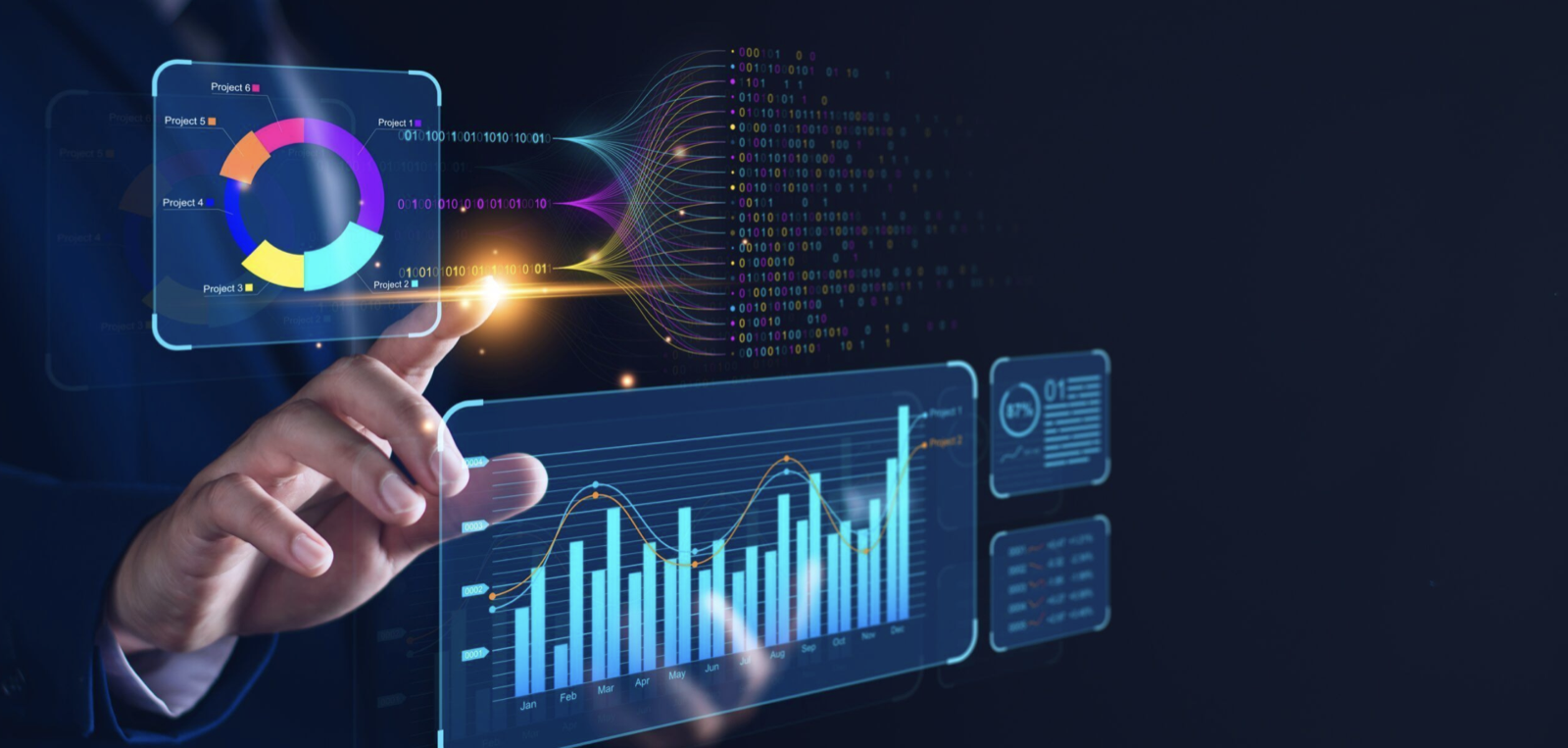
During the perception phase of the agentic AI loop, the AI system's primary task is gathering an astonishing array of data, capturing intricate details of its environment in real-time. This data can be visualized through various forms, including visual inputs from cameras, auditory inputs such as sounds picked up by microphones, and textual data collected from written communications. Moreover, there’s a need to assimilate both structured and unstructured data from databases, APIs, and user interactions (
Sandtech).
The challenge extends beyond mere data collection, diving into the domain of data interpretation. This involves processing an overwhelmingly large volume of inputs to ensure that only the most relevant pieces are highlighted based on the task or goal at hand. In the realm of predictive maintenance, for example, sensor data must be analyzed not just for its current output but for forecasted trends and patterns that could indicate looming equipment failure.
Real-time processing, therefore, holds paramount importance. The AI’s effectiveness depends on its agility in digesting and understanding the data on a moment-to-moment basis, ensuring insights extracted are timely and well-grounded. To achieve such speed and precision, sophisticated algorithms are necessary—sifting through the noise to extract useful signals that guide subsequent reasoning and decision-making processes.
Technologies That Empower Perception
To operate at such a level of sophistication, agentic AI leverages several cutting-edge technologies. Among these, computer vision is pivotal in enabling systems to interpret visual information logically. In the same breath, natural language processing (NLP) allows for the comprehension and interactive use of human language, crucial for textual data interpretation and interaction (
Creating Intelligent AI Agents).
Another significant player is optical character recognition (OCR)—a technology engineered to convert different types of documents, such as scanned paper documents, PDFs, or images captured by a digital camera, into editable and searchable data. Sensor fusion, on the other hand, integrates data from multiple sensors to produce more dependable and accurate data, offering AI systems a richer view of the environment (
Sandtech).
These technologies, working in tandem, ensure that agentic AI can independently develop a comprehensive understanding of its surrounding landscape. This understanding is central to advancing AI functionalities and extending their realm of autonomy and contextual decision-making (
AI Agents Are Killing SaaS).
Advanced Processing: From Raw Data to Insight
Post data collection, the AI system shifts focus to developing insights from raw data. But what happens during the perception part of the agentic AI loop after data capture? This phase—data acquisition—is closely linked with data filtration and interpretation. These processes are essential for ensuring the AI operates on a meaningful subset of data tailored to the specific context or task dynamics (
AWS).
Data Selection and Preprocessing
The practice of selecting and preprocessing data is sophisticated and multifaceted. AI agents connect to a variety of data sources, spanning from cloud platforms and enterprise systems to SaaS applications via APIs like REST, gRPC, and GraphQL. By drawing from diverse feeders of information, systems can patch together a more accurate and diverse tapestry of data.
Filtering begins with techniques tailored to isolate pertinent information, taking data that may otherwise drown in the larger dataset. By employing filters, preprocessing ensures that the data moving downstream doesn’t just address the quality but marks excellence in quantity as well—only relevant data transit to the next AI processing stages.
Interpretation: Making Sense of Data
Afterward, interpretation steps into the limelight, where algorithms dissect the data to unveil patterns, correlations, and actionable insights. This is where AI deducts relevance, inferring context to tether the data to ongoing tasks. The insights obtained at this stage equip systems to better understand the task environment, allowing for intelligent reasoning and decision-making.
Importance in Real-Time Applications
To a layperson, the intricacy of the perception phase might be obscured by an AI system's seamless functionality. Yet, this phase stands as the foundation upon which AI's situational awareness and intelligence are built. Real-time capabilities achieved during the perception stage are particularly priceless to autonomous systems depend on them to function effectively.
Practical Examples
Consider an autonomous vehicle navigating a busy metropolitan area. In this context, perception translates to instantaneous detection and analysis of moving vehicles, pedestrians, traffic signals, and road conditions through combined inputs from cameras, LIDAR, and radar systems. Without the adept application of perception technologies, the vehicle's AI would lack the situational awareness needed to make safe and informed decisions (
Eesel).
In enterprise contexts, agentic AI systems deploy perception to evaluate incoming API data streams, documents, and internet data. The AI parses these vast data banks to track business trends, predict customer behavior, or detect fraud, illustrating the transformative power of AI when equipped with a refined understanding of its digital environment (
How Agentic AI Will Supercharge Sales Automation).
Conclusion
In dissecting what happens during the perception part of the agentic AI loop, it becomes abundantly clear that this phase is the linchpin of agentic AI's capacity to comprehend and interact autonomously with its surroundings. By leveraging advanced technologies such as computer vision, NLP, OCR, and sensor fusion, AI systems acquire a richly contextualized environmental understanding that enhances intelligent reasoning, planning, and decision-making (
Sandtech,
AWS,
Eesel).
This stage is not merely about data collection; it's about transforming raw data into actionable insights that drive agentic AI's autonomy and efficiency across various applications. From autonomous vehicles maneuvering through city streets to enterprise AI systems deciphering complex data channels, the perception phase unlocks a new paradigm of understanding, radically advancing the realm of AI and its integration into daily life.
With the ongoing advancements in AI technologies and methodologies, the sophistication of the perception phase continues to evolve. As these systems become more refined, the implications for businesses, technology, and society become increasingly profound, lighting the path to an AI-driven future where machines interpret, interact with, and enhance the human experience.